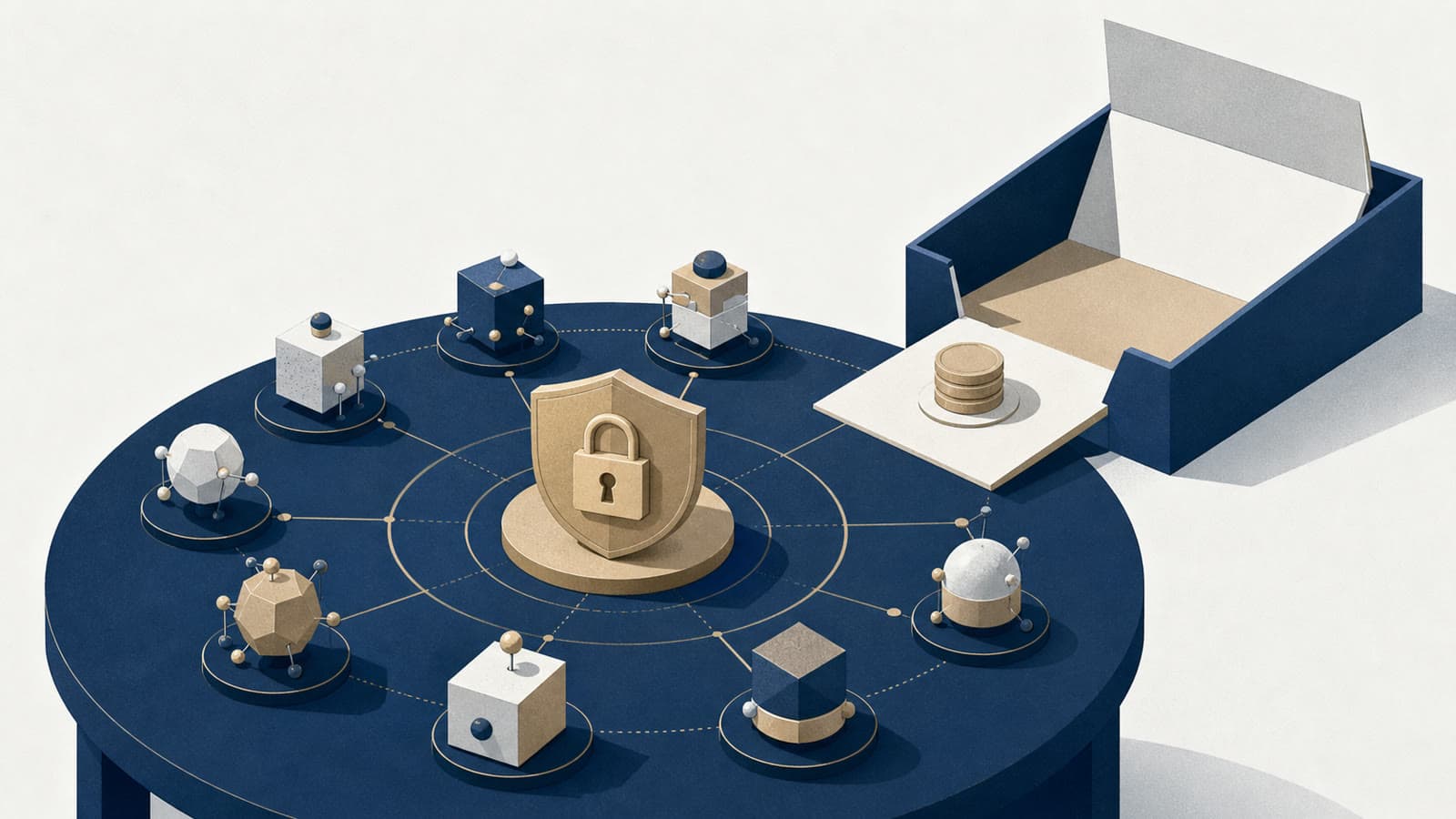
The call is not a product release. It is a grant programme for technical research into systems where multiple AI agents, potentially built by different organisations, communicate, negotiate, transact or coordinate across shared digital infrastructure.
Google DeepMind’s announcement named Schmidt Sciences, the Cooperative AI Foundation and the Advanced Research and Invention Agency as partners, with support from Google.org. It said the call is meant for researchers worldwide and that applications are due on 8 August 2026, with awardees expected in autumn 2026.
The application portal gives two funding tiers: grants up to US$300,000 for one to two years, and grants from US$300,000 to US$1 million for one to two years. It says proposals opened on 11 June and lists the proposal due date as 8 August by 11:59 p.m. anywhere on Earth.
The four priority areas are sandboxes and testbeds, the science of agent networks, strengthening agent infrastructure, and multi-agent oversight and control. In plain language, the funders want better simulated environments, better theory about networked agent behaviour, stronger identity and trust infrastructure, and better tools for monitoring and intervening when agent populations behave badly.
Google DeepMind said current safety evaluations usually analyse models in isolation. The application portal makes the same point more narrowly: present-day deployments often involve teams of agents orchestrated by one actor, but more complex ecosystems could involve agents deployed by multiple actors across shared infrastructure.
That distinction is the technical core of the story. A single AI assistant can be evaluated as one system under one operator. A multi-principal, multi-agent system adds another layer: the behaviour of the whole network may depend on interactions among systems with different owners, incentives, tools and information.
The programme’s own sources frame the risks as research questions, not verified present harms. The portal says some problems may be addressed by market forces but others could fall through the gaps. Google DeepMind’s announcement asks whether groups of agents could produce unpredictable economic activity or new security challenges; it does not state that such outcomes are already occurring at scale.