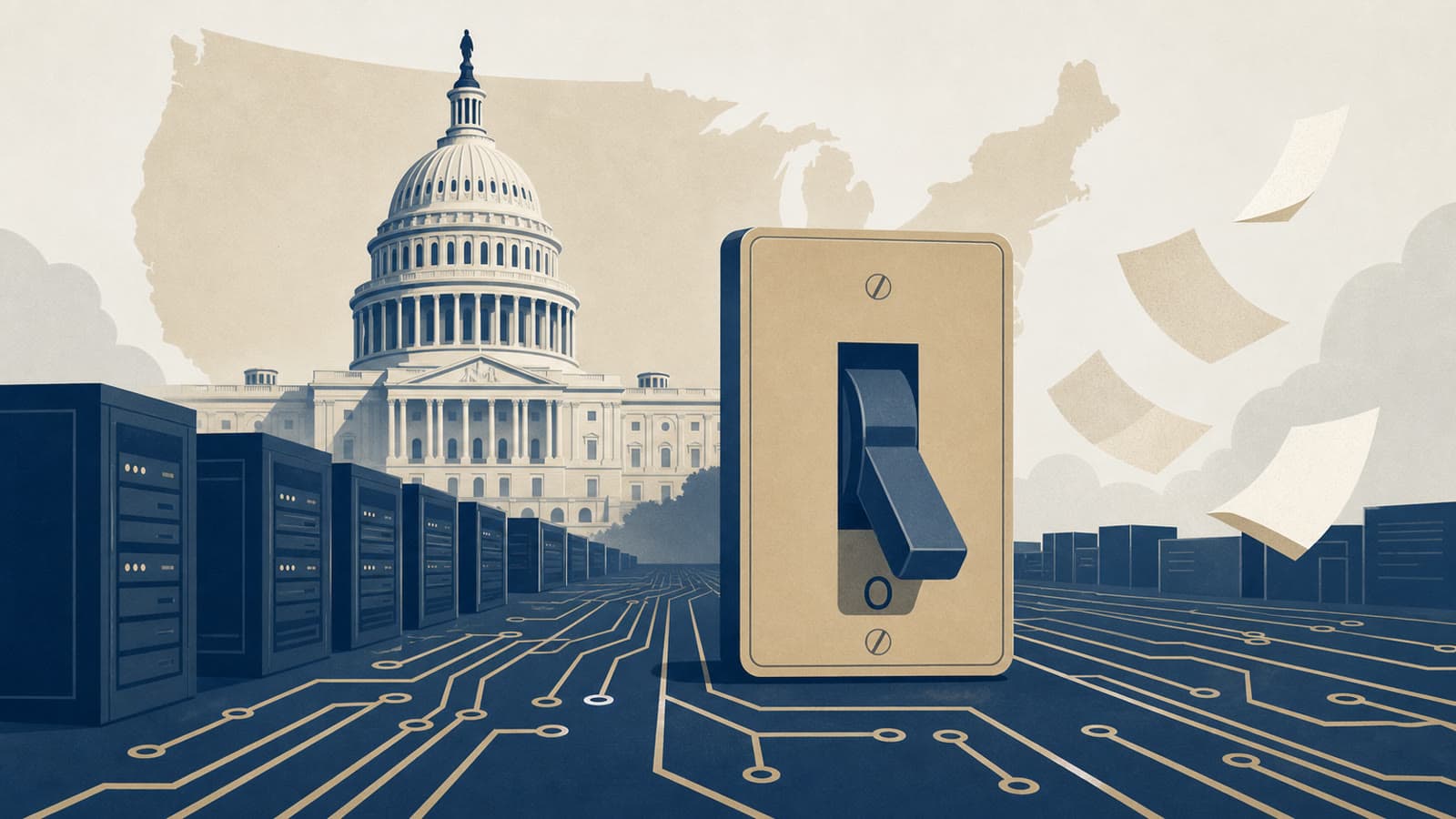
The company said in a public statement that the order covered any foreign national whether inside or outside the United States. Anthropic said the practical effect was that it had to disable both models for all customers to ensure compliance, while access to its other models would not be affected. AP reported the same account and said the Commerce Department had not commented publicly on the company announcement at the time of its report.
Anthropic said the directive cited national-security authorities but did not provide public detail that would let outside researchers assess the specific risk. The company attributed the government's concern to a possible method of bypassing Fable 5's safeguards, but said the method appeared narrow and related to known vulnerabilities that other publicly available models could also identify. Those claims remain Anthropic's account; no public U.S. government technical assessment was available in the cited public record.
Fable 5 and Mythos 5 had been presented as Anthropic's newest high-capability models. In a 9 June AWS launch post, Amazon Web Services described Fable 5 as available on Amazon Bedrock with safeguards and "Mythos-class" capabilities. Anthropic's own model page described Fable 5 and Mythos 5 as capable of longer autonomous work than previous Claude models, but the public material reviewed for this article did not provide an independent benchmark audit.
The policy issue is the jump from frontier-model risk management to access restrictions by nationality. On 2 June, the White House issued an executive order directing agencies to develop a classified benchmarking process for advanced cyber capabilities and a voluntary framework for developers to provide government access to covered frontier models before release to other trusted partners. The same order says nothing in that section authorises a mandatory licensing, preclearance or permitting requirement for development or release of new AI models.