The decision is not a final award. Ofgem described the list as a "minded-to" decision, meaning the projects have been provisionally selected while stakeholders are consulted. The regulator said consultation runs until 7 August, with final determinations expected later in 2026.
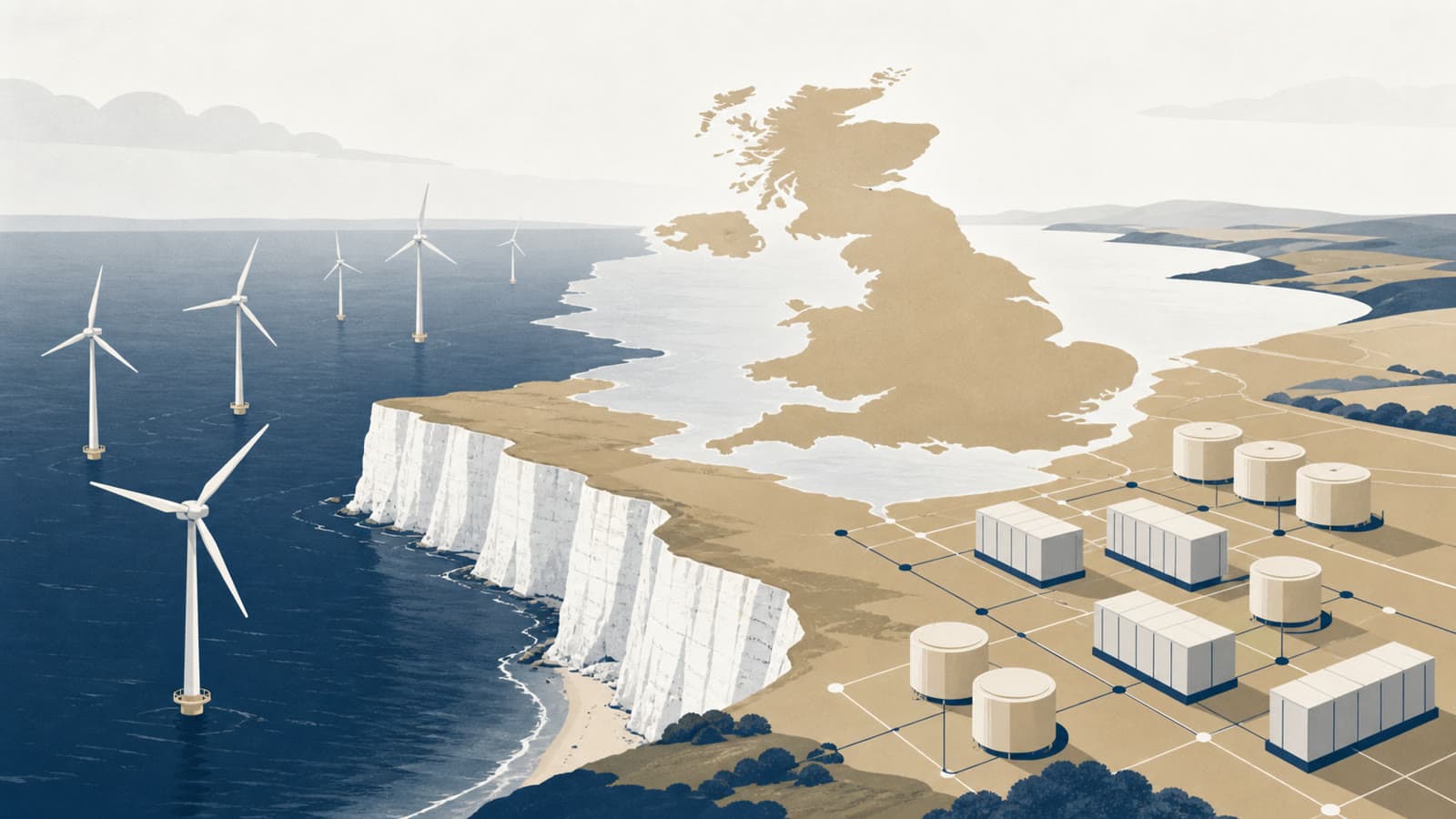
Long-duration storage is the less visible half of a renewables-heavy grid. Ofgem defines it as storage that can hold and release electricity for eight hours or more, a threshold designed to cover periods when wind and solar output fall but demand remains. The proposed portfolio spans pumped-storage hydro, compressed-air energy storage, lithium-ion batteries and vanadium redox flow batteries.
The cap-and-floor model is meant to make those projects financeable without giving developers an open-ended subsidy. In broad terms, a floor protects investors from very low revenues if the market does not pay enough for storage services, while a cap limits excess returns if revenues are high. For consumers, that makes the consultation important: the mechanism is designed to unlock infrastructure, but the cost and risk-sharing terms will decide how much protection households really get.
The Guardian reported that three pumped-storage hydropower schemes in northern Scotland were among the projects given provisional approval, framing them as Great Britain's first major hydropower projects in more than 40 years. Pumped hydro is old technology serving a new grid problem: it uses surplus electricity to pump water uphill, then releases it through turbines when power is needed.
The geography is not incidental. Scotland has strong wind resources and existing hydro expertise, but the electricity it stores still has to reach demand centres through a grid that is already under strain from renewable connections. A storage project can be technically attractive and still face the familiar bottlenecks of planning, transmission capacity and local consent. That is why a shortlist from the regulator is a staging post, not a construction programme.