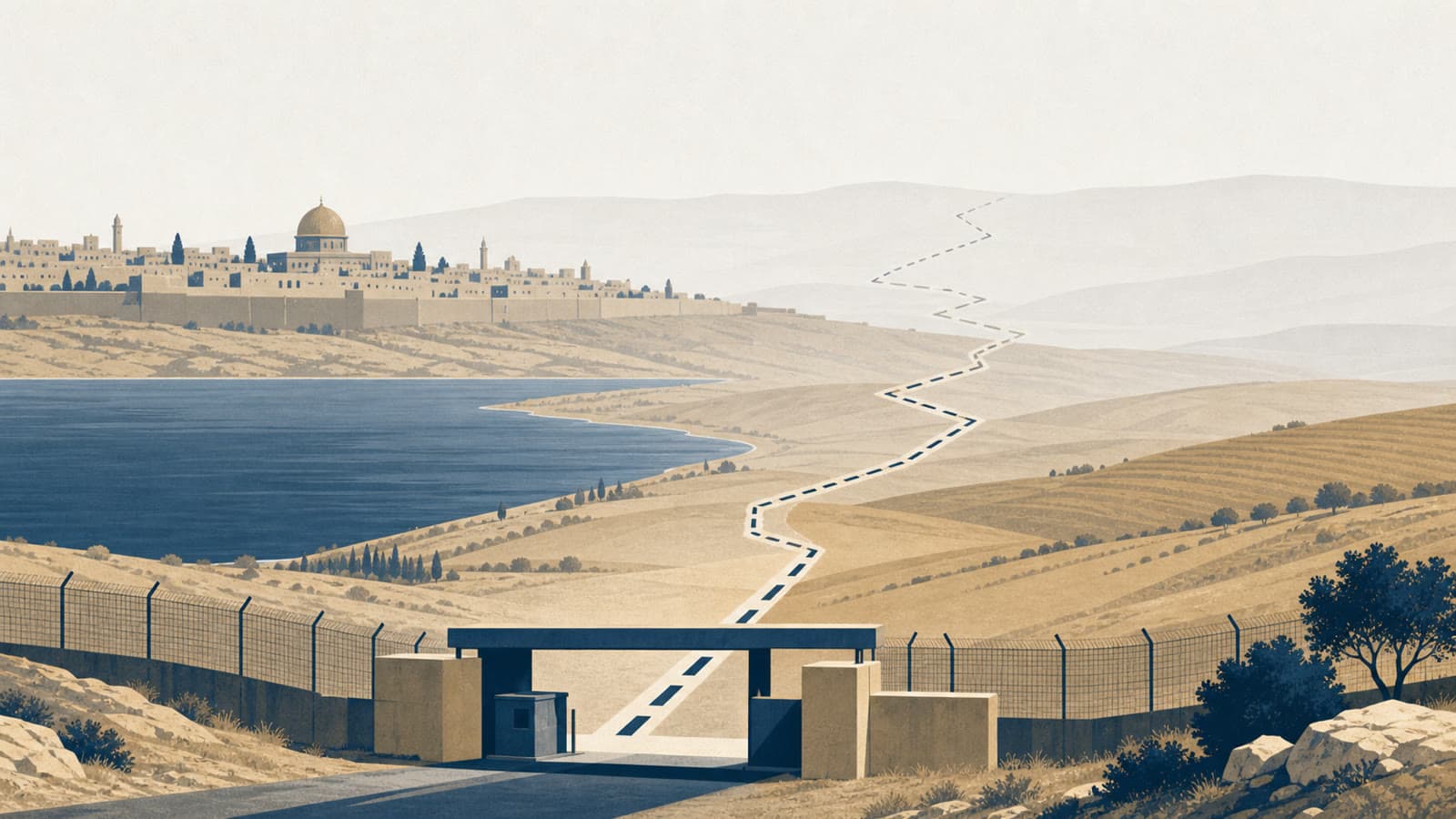
The immediate mechanism is deliberately limited. Axios reported that the framework includes two pilot areas where the Israeli military would withdraw and the Lebanese army would deploy. Rubio said there was still "a lot of work ahead", according to Axios, a useful warning against treating the document as a settlement of the border conflict.
That caution is built into the politics of the deal. Lebanon's government can sign a framework through its ambassador; it still has to show that state institutions can operate in areas where Hezbollah has long held military power outside the formal chain of command. Al Jazeera reported earlier this month that Hezbollah was not a party to the US-mediated process and had rejected an earlier ceasefire framework, making enforcement the central uncertainty rather than a technical footnote.
For Israel, the pilot-zone idea offers a narrow security bargain: withdrawal in defined areas in exchange for Lebanese army deployment and a testable reduction in cross-border risk. For Lebanon, the same formula touches sovereignty. A foreign military withdrawal is a national objective, but a process negotiated under US auspices and conditioned on security performance will be judged in Beirut by whether it restores state authority or merely repackages external control.
Al Jazeera reported on 23 June that the new Washington round followed a renewed ceasefire announcement, while Israeli and Hezbollah statements left the durability of the process contested. That sequence matters. A framework can create a schedule and a diplomatic channel; it cannot by itself settle who controls armed action on the ground.
The missing public detail is also important. The reported pilot areas have not been publicly mapped in the available accounts, and the verification procedure has not been fully tested. Without those specifics, claims about a breakthrough should stay modest. The practical question is whether a small number of withdrawals and deployments can build enough evidence for the next phase.