The Guardian reported that Steele, a British academic, criticised the handling of the case after Wulfson was tried at RAF Lakenheath. The paper said the court martial convicted him of strangulation and acquitted him of sexual-assault-related charges. A Press Association account carried by the Irish News said the military judge was a US Air Force colonel and the panel consisted of eight Air Force officers.
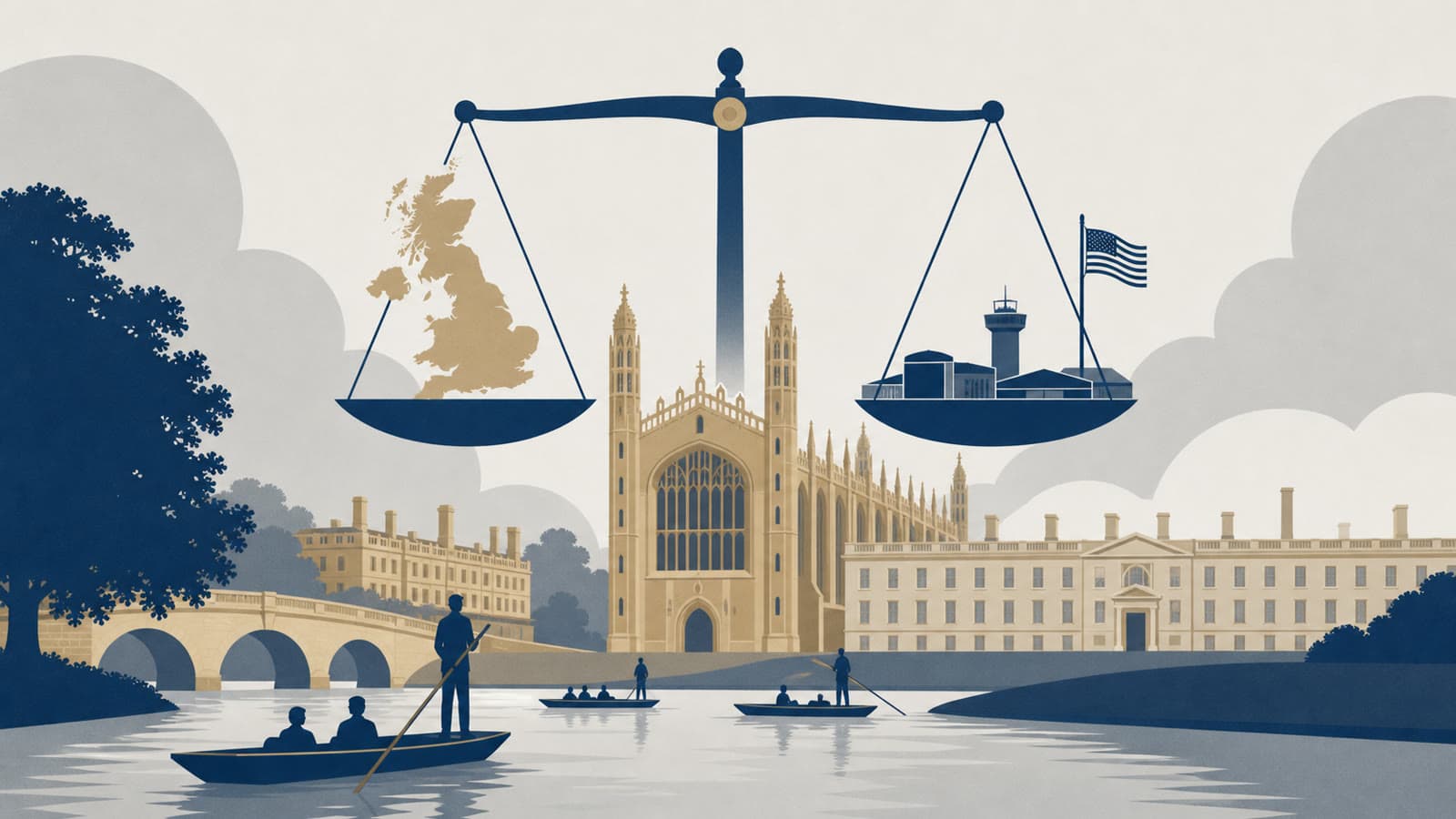
That venue matters. The Guardian, citing the UK-US jurisdiction framework and Cambridgeshire police's own account, reported that British law enforcement normally has primary jurisdiction over offences committed outside US bases when American service personnel are off duty. Cambridgeshire police acknowledged that UK authorities ceded jurisdiction in Steele's case.
Downing Street has not treated that as a closed procedural detail. The Guardian reported that the prime minister's office called the case "very concerning" and said the government was still establishing the facts. ITV News reported that the Ministry of Justice would examine what happened after the pilot avoided trial under English law.
The case therefore sits in an awkward space between alliance administration and victim confidence. Status-of-forces arrangements exist because foreign military personnel posted overseas need predictable rules when local and military jurisdictions overlap. They are not designed to make local accountability look optional when the alleged offence happens in a civilian setting.
The due-process point cuts both ways. Wulfson was not spared a trial; he was prosecuted by the US military, convicted on one charge and acquitted on others. But the forum shaped the case. A court martial applies US military procedure, uses military decision-makers and answers to a different chain of legal authority than an English criminal court.