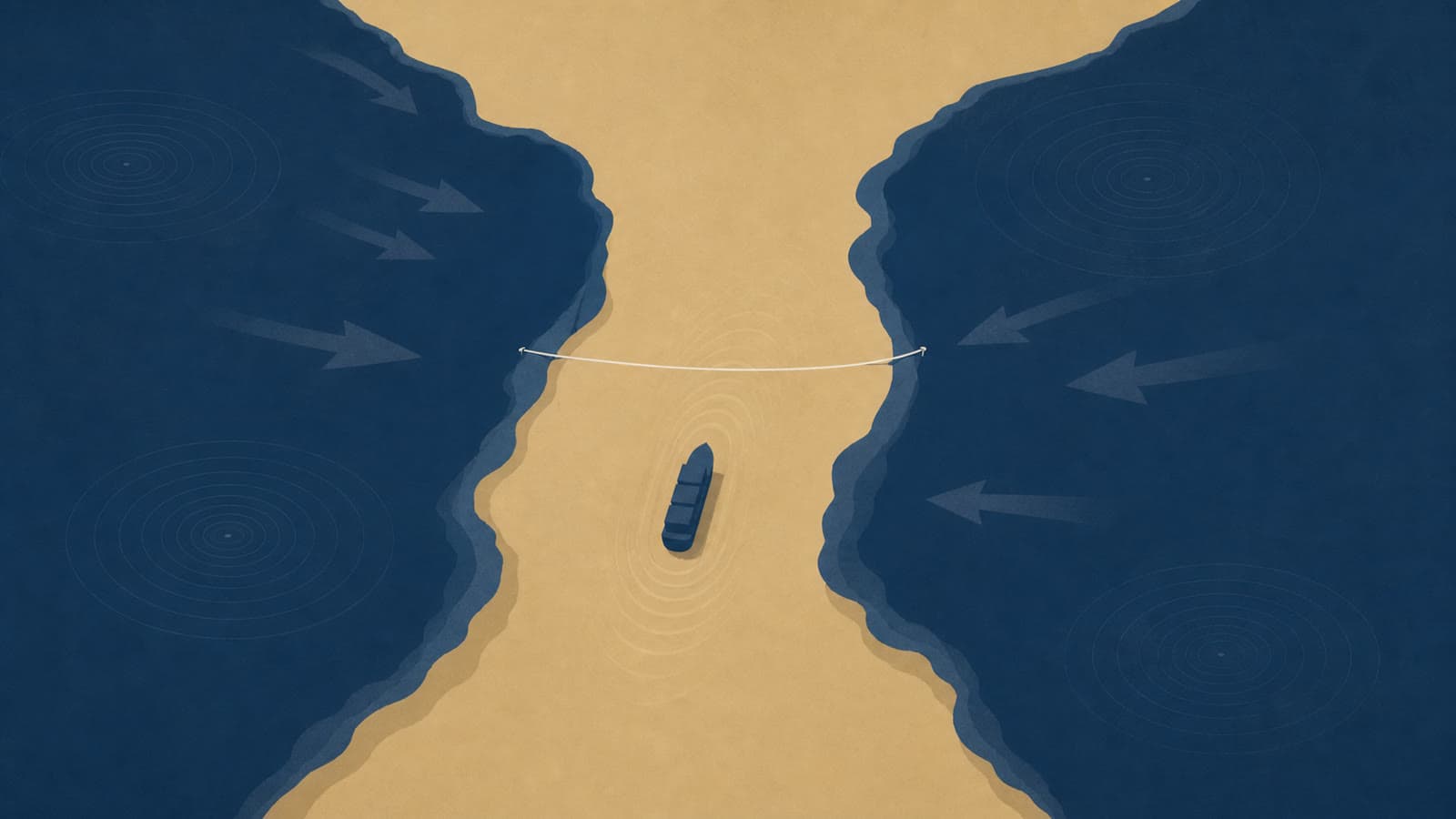
CENTCOM described the ship attack as a ceasefire violation and said the US response hit Iranian missile and drone storage and coastal radar sites. Public reporting identified the vessel as the Singapore-flagged M/V Ever Lovely and said it had been struck by a one-way attack drone as it exited the Strait of Hormuz. Iran International reported that UK Maritime Trade Operations said the ship was hit on its starboard side and that the master reported all crew were safe.
The incident matters because it lands only days after the International Maritime Organization described an evacuation plan for seafarers in the Strait of Hormuz region. The IMO said on 24 June that the plan followed a US-Iran memorandum of understanding and was intended to help protect crews in one of the world's most sensitive maritime corridors. A corridor that needs an evacuation protocol is already under strain; a retaliatory strike raises the political cost of keeping the arrangement alive.
The Strait of Hormuz is not just a shipping lane. It is a strategic chokepoint through which a significant share of seaborne oil and gas moves. MarketWatch reported that oil prices rose in after-hours trading after US confirmation of the strikes, tying the move to security risk around Hormuz. That price reaction is a datapoint, not the main story. The main story is whether the military logic of retaliation can coexist with the diplomatic logic of keeping vessels moving.
That distinction is important because shipping risk can become policy pressure quickly. Insurers, charterers and port operators do not need a formal closure of Hormuz to change behaviour; repeated attacks, warnings and counterstrikes can raise costs and slow traffic before governments admit that a maritime arrangement is failing.